Deptho Blog
Explore our latest articles about technology, design and more.
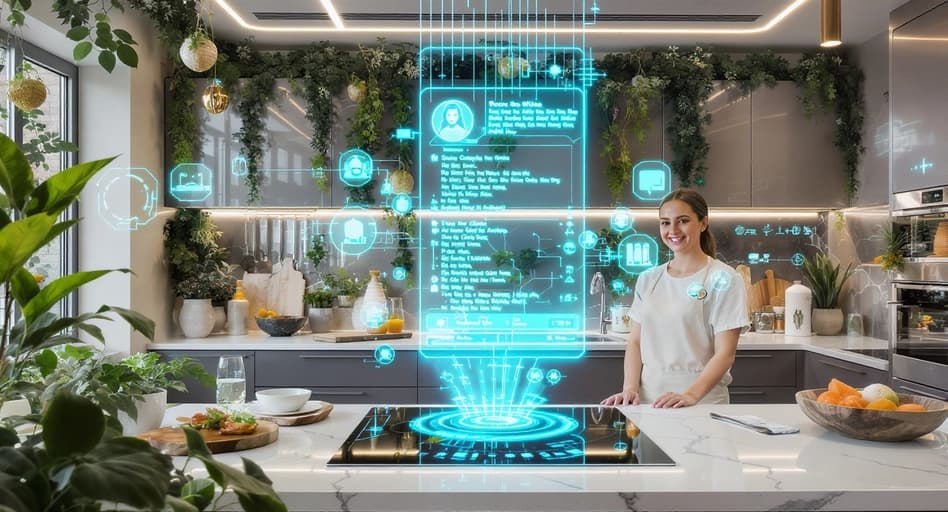
Hybrid Kitchens: Innovation, Functionality, and Inspiration at the Heart of the Home
Today's and tomorrow's kitchens blend technology, design, and social areas, driving new ways to live and connect at home. Analysis of ideas, devices, and practical advice for designers, real estate professionals, and interior design enthusiasts.
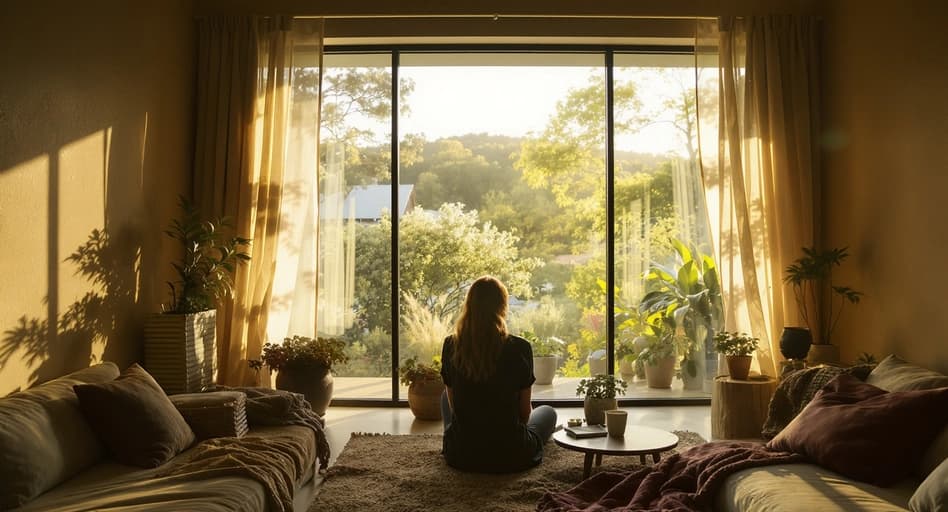
Natural Lighting, Creativity, and Sustainability: New Keys to Transform Residential Spaces
Natural lighting, new creative trends, and sustainable materials set the course for residential interior design. Discover strategies and real cases to optimize the atmosphere, comfort, and environmental impact of any home or project.
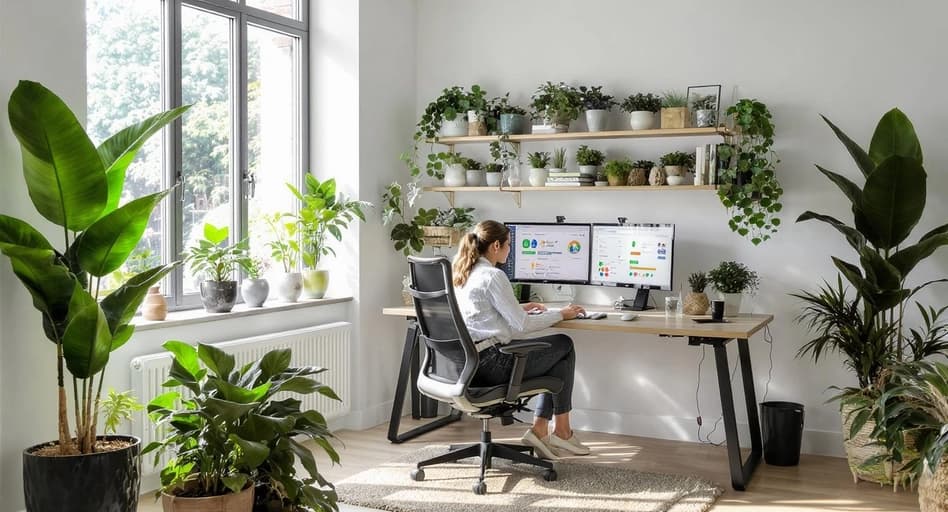
Modern Ergonomics in Design and Construction: Practical Keys for Safe Spaces, Furniture, and Tools
Ergonomics is evolving and becoming a key factor in architecture, interior design, furniture, and workplace safety. This article delves into current principles and solutions to create spaces and select tools that prioritize the health and productivity of occupants and workers.

Urban microclimates: adaptive architecture and its impact on real estate value
Architectural design that integrates urban microclimate management redefines quality of life and property value. This analysis addresses the most innovative strategies and recent data on how adapting spaces to local climatic conditions improves well-being, energy efficiency, and real estate profitability.
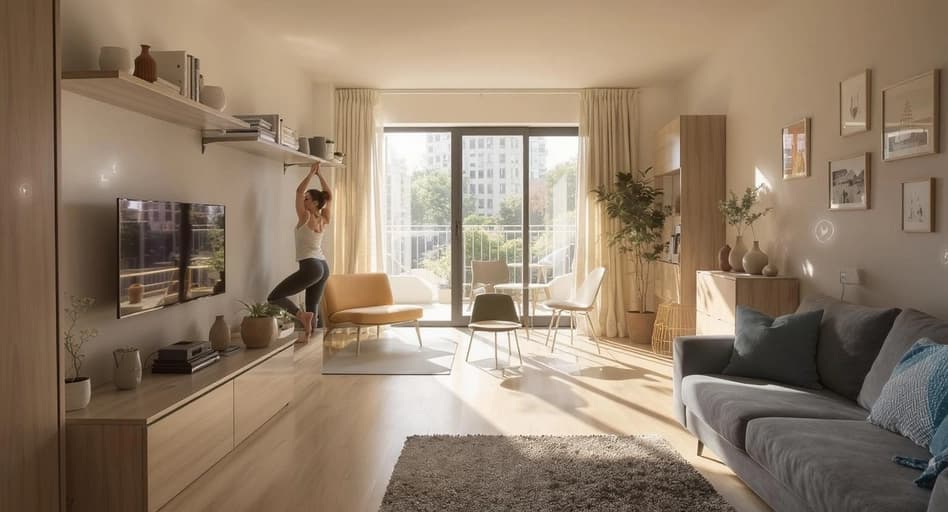
Micro-apartments: advanced design and furniture strategies for compact spaces that impress
Micro-apartments transform urban living: architectural solutions, multifunctional furniture, and smart technology to maximize every square meter. Design strategies and global trends to create functional, comfortable, and visually appealing compact spaces.
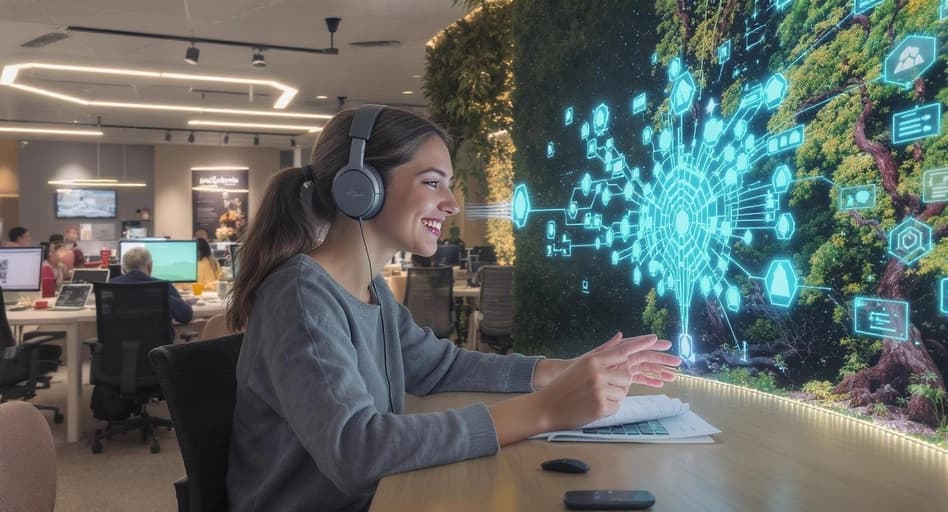
Inclusive Offices: Design for Neurodiversity and Well-being in Workspaces
Inclusive office design has become essential for well-being, productivity, and talent retention. Explore how to adapt workspaces for neurodiversity, discover best practices, global examples, and opportunities for real estate agents, owners, and designers investing in the workplaces of the future.